Why These Cars? The Story of the F-Body Twins
The Chevrolet Camaro and Pontiac Firebird are more than just "sister cars"—they are two sides of the same high-performance coin. Born from the GM F-Body platform in late 1966, they were designed to hunt down the Ford Mustang, but in the process, they created a legendary rivalry that exists to this day.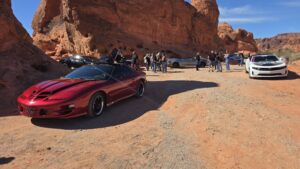
Why Are They Always Linked?
-
Shared DNA: Built on the rear-wheel-drive F-Body architecture, they shared floors, glass, and structural bracing. However, they were rarely identical. From 1967 to 2002, they were the only two cars ever built on this specialized platform.
-
The Assembly Line Bond: Most classic F-Bodies were born in the same iconic factories: Norwood, Ohio (the high-volume heart of the operation) and Van Nuys, California (the West Coast hub of car culture). In 1993, production moved to Sainte-Thérèse, Canada, where the final Fourth Gen legends were made.
-
The "Sibling Rivalry" Engineering: While GM corporate wanted them to be similar, Pontiac and Chevy engineers were secretly (and sometimes openly) competitive.
-
Pontiac often tuned for more torque and "upscale" handling (like the WS6 package).
-
Chevrolet focused on raw, high-revving horsepower and "bang-for-the-buck" speed (like the Z/28).
-
-
Distinct Personalities: The Camaro was the "Everyman’s Muscle"—broadly appealing and aggressive. The Firebird was the "Sophisticated Rebel"—featuring hidden headlights, luxury-leaning cockpits, and more exuberant styling.
Why They Are Quintessentially All-American
-
Detroit’s Golden Era: Both cars are products of the "Motor City" philosophy: big engines, bold proportions, and a focus on the quarter-mile. They weren't built for narrow European streets; they were built for the American highway.
-
Symbols of Freedom: From the "Screaming Chicken" on a Trans Am hood to the racing stripes on a Z/28, these cars represented individuality. They became the go-to choice for anyone wanting to make a statement, whether on the street or the silver screen.
-
Cultural Icons: They didn't just stay in garages—they lived in pop culture. Whether it was Burt Reynolds outrunning the law in a '77 Trans Am or Bumblebee saving the world as a 5th Gen Camaro, these cars are part of the American story.
-
Engineering Philosophy: Unlike the precision focus of European sports cars, the F-Body twins were about raw emotion. They were designed to be loud, fast, and accessible—muscle cars that any American worker could buy on Friday and race on Saturday.
The Legacy Today
Though the Firebird took its final bow in 2002 and the Camaro ended its sixth generation in 2024, the bond remains. The All-American Camaro & Firebird Association exists because these cars are inseparable. Whether you bleed "Bowtie" or "Arrowhead," you are part of a 60-year tradition of American performance.